
How To Know If You Need A New Water Heater
Your home’s water heater works quietly in the background to give you many daily conveniences we take for granted: hot showers, clean dishes, and fresh laundry.
If your hot water system suddenly fails, it’s more than just an inconvenience. It’s a major slip in your home’s comfort. Leaks can damage floors and walls, and certain failures can even create safety risks.
Think of a water heater like car tires: you know they wear out, so you don’t wait until your tires are bald and you’re stranded on the shoulder of the road.
In the same way, planning a replacement before your system fails saves money, time, and stress.
In the guide below, you’ll learn…
- The average lifespan of a tank and tankless water heater (and sneaky reasons your unit might not last that long)
- How to spot the warning signs you need a new water heater
- How to choose the right system for your home.
Typical Lifespan of a Water Heater
Most tank (standard) water heaters last 8-12 years. Newer or higher-end models can stretch that, but age plus wear from daily use eventually wins. If you’re wondering how to know if you need a new water heater, the unit’s age is the first box to check.
Tankless (on-demand) water heaters typically last 15-20 years with proper maintenance. They don’t store water, so there’s less tank corrosion, but they do need descaling and filter care to reach that lifespan.
This isn’t set in stone, however. The following can affect the lifespan of your water heater:
- Water quality: Hard water speeds up scale and sediment.
- Application and workload: Units that also heat a living space or serve many fixtures work harder and may need water heater replacement sooner (often closer to 8 years for heavy-load tanks).
- Maintenance history: Annual flushes and checks = longer life and fewer surprises.
If you’re unsure of your system’s age there are a few quick ways to find out:
- Check the manufacturer’s label/serial number on the tank or tankless unit.
- Look up the serial format on the maker’s site to decode the manufacture date. If your search turns up a unit older than the ranges above, start planning.
Key Warning Signs You Need a New Water Heater
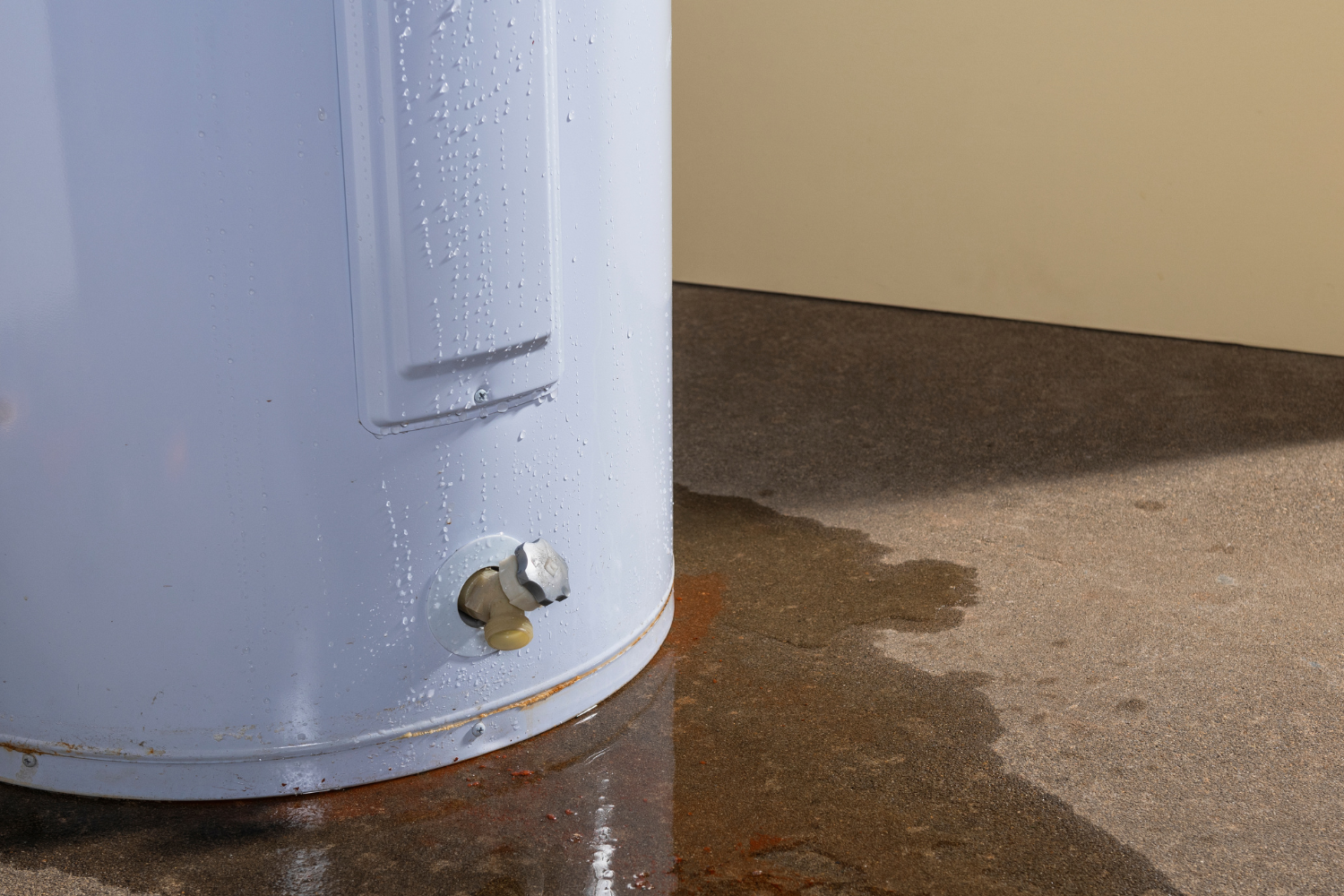
- Leaks or moisture around the base: Even a slow drip can point to tank corrosion. Small leaks tend to grow, so don’t wait.
- Rusty or discolored hot water: Brown or reddish water from the hot tap often means internal rust. It’s a common sign the tank lining is wearing out.
- Not enough hot water: Water doesn’t get as hot as before, hot water runs out faster or it takes longer to reheat.
- Unusual noises: Popping, rumbling, or gurgling during heat-up usually means heavy sediment on the bottom of the tank or internal wear.
- Frequent repairs: If you’ve repaired the same unit over and over, a water heater replacement is often cheaper and more reliable than more fixes.
- Visible corrosion: Rust on fittings, seams, or the tank shell is a red flag. Exterior corrosion often mirrors what’s happening inside.
- Age of water heater: No need to wait for a failure. As it approaches end of life, a proactive approach can save you the inconvenience of waiting for issues to occur.
Key Warning Signs Your Tankless Water Heater Needs Replacement
- Age of the unit: Tankless systems can last 15–20 years with good care. If yours is near or past that range, start planning a replacement before it fails.
- Inconsistent or lukewarm hot water: Temperature swings, lukewarm water, or long waits for hot water point to a failing unit or scale buildup.
- Frequent error codes or shutdowns: Tankless units display codes for ignition, overheating, or flow problems. If the same code keeps returning even after service, the core components may be at the end of their life.
- Reduced hot water flow throughout the home: A noticeable drop in hot water pressure at several fixtures can mean internal scale, clogged inlet screens, or a failing heat exchanger. If flushing and filter cleaning don’t fix it, replacement is often more cost-effective.
- Strange noises from the unit: New popping, hissing, rumbling, or crackling sounds can mean mineral buildup. If noise remains after a professional descale, the damage may be permanent.
- Rising energy bills without more usage: Scale forces the system to work harder to deliver the same hot water. If bills climb and maintenance doesn’t help, it’s a strong sign the unit is wearing out.
Risks of Delaying Replacement
- Water damage from leaks or tank failure: A small drip can turn into a burst tank without warning. That means soaked floors, damaged drywall, and possible mold. In severe cases, water can harm framing and subfloors.
- Higher energy bills and poor efficiency: Worn parts and sediment make heaters work harder to produce the same hot water. Older units heat slower and waste energy, so monthly costs creep up.
- Inconsistent hot water: You’ll notice lukewarm showers, surprise cold bursts, or hot water that runs out fast. Daily comfort drops, and recovery times get longer.
- Risk of high cost to replace: Water heater leaks may be not noticed until the most inconvenient time like; late at night, on a weekend, or away on vacation. Planning the replacement reduces the cost of time, energy and money to replace a water heater in an emergency.
Pro tip: If your heater is aging and shows warning signs, plan a replacement now. It's often safer and cheaper than dealing with a sudden leak later.
When to Call Day & Nite
Not sure if it’s time to replace or repair? Call Day & Nite for a professional inspection. We’ll check age, leaks, sediment, venting, gas/electrical connections, and overall performance so you can make a clear choice.
Why a pro makes a difference:
- Accurate diagnosis. We test components (elements/burner, thermostat, anode, T&P valve) and confirm the real cause of poor hot water.
- Safety checks. We look for gas leaks, carbon monoxide risks, failed relief valves, improper venting, and code issues.
- Right-size recommendations. Based on your home, fixtures, and usage, we’ll size the replacement correctly and discuss options (tank, tankless, heat pump).
- Better installation. Permits and code, seismic strapping, drip pan and drain, expansion tank, proper venting, and clean plumbing/electrical connections for long-term reliability.
Have questions or want an inspection? Contact Day & Nite.
Choosing the Right Water Heater
Ready to compare options? The chart below gives a quick side-by-side of tank vs. tankless so you can match the right water heater system type to your home, budget, and hot-water habits.
If you need a water heater replacement soon, this will help you narrow the field before you take the next step for your PNW home.
Factor
| Tank (standard) | Tankless (on-demand) |
Upfront cost | Lower | Higher |
Monthly utility cost | Higher (keeps water hot 24/7) | Lower (heats only when needed) |
Space needed | Larger footprint | Compact; wall-mountable |
Lifespan | 8–12 years | 15–20 years with maintenance |
Maintenance & repairs | Simple and cheaper | Less frequent but can cost more |
Hot water capacity | Finite tank; can run out | Instant, unlimited |
Recovery after heavy use | Slower | None |
Multiple units at once | Not generally needed | May need 2nd unit for larger homes |
Installation complexity | Usually simpler | May need gas line, venting, or electrical capacity upgrades |
Bottom line? A tankless heater is best if you want a compact unit or use hot water heavily (and can’t wait for your tank to heat up). Also, it’s a great choice if you want lower monthly bills.
A tank system might be better for you if you need lower upfront costs and simpler maintenance needs. It’s a solid choice for you if you have modest hot water needs.
If you have a large home or use hot water frequently, either a larger tank or a properly sized/paired tankless system could work. Consult a pro to decide on a unit that works for you.
Make It a Planned Upgrade, Not a Panic Call
Your water heater won’t last forever. Know the signs, plan the upgrade, and skip the weekend emergency call (and the stress that goes with it). Early detection and a planned replacement will save you time and stress–and keep more money in your pocket.
At Day & Nite, we’ll confirm the diagnosis, check safety, and recommend the right tank or tankless for your home. Contact Day & Nite to get started today.