
How to Protect Your Seattle Home from Power Surges
Flickering lights. A brief outage during a windstorm. A device that suddenly won’t turn on.
If you've noticed this happening in your home and wondered why, power surges could be the cause.
Today’s homes rely on sensitive electronics and smart systems more than ever. From heat pumps to EV chargers to appliances, modern equipment contains circuit boards that can be affected by voltage spikes.
For Pacific Northwest homeowners, protection needs to cover both everyday electronics and the larger systems that keep your home comfortable. Whole-home surge protection offers a practical way to do both.
What Is A Power Surge?
The average wall outlet provides 120-volt AC power. In normal operation the voltage typically stays between about 114 and 126 volts, but electrical disturbances can cause brief spikes above that range.
A power surge is a sudden spike in electrical voltage (over 169 volts).
There are two main surge types:
- Large surges: caused by storms, lightning, or utility grid issues. Tend to be infrequent and can cause instant damage.
- Small, repeated surges: from daily use and when large appliances cycle on and off. These fluctuations can degrade circuit boards and sensitive electronics over time.
In a region like Seattle, where we experience long damp seasons, windstorms, and occasional outages, homes are exposed to both.
Common Causes of Power Surges in the Greater Seattle Area
When you think of what causes a power surge, what's the first thing that comes to mind?
If you're like most homeowners, you might immediately think "storms!".
Inclement weather is a major cause of power surges, but far from the only one.
- Power coming back after a blackout or when the grid switches sources
- Exposed, damaged, or old wiring in a home
- Damaged utility lines or broken transformers.
- High-draw equipment cycling on and off, such as:
- Heat pumps and furnaces
- Refrigerators and freezers
- Shop tools
- EV chargers
Severe electrical disturbances can damage equipment, trigger protective devices, and damage control boards inside heating equipment or large appliances. If you live in an older Seattle-area home, your electrical panel may not be up to the demands of modern day.
What Power Surges Can Damage In Your Home
Most homeowners think about TVs and computers first. And yes, those are vulnerable.
But some of the most overlooked items include:
- Furnaces and heat pumps with electronic control boards
- Refrigerators, ranges, and washers with digital displays
- Tankless water heaters
- Smart thermostats and home automation systems
- EV charging equipment
All of the equipment we've listed is essential for keeping your home comfortable. They can also be expensive to repair and replace.
A proactive approach to power surge protection will help prevent inconvenience, stress, and sudden financial hits.
Three Layers of Surge Protection for Pacific Northwest Homes
Layer 1: Whole-Home Surge Protection
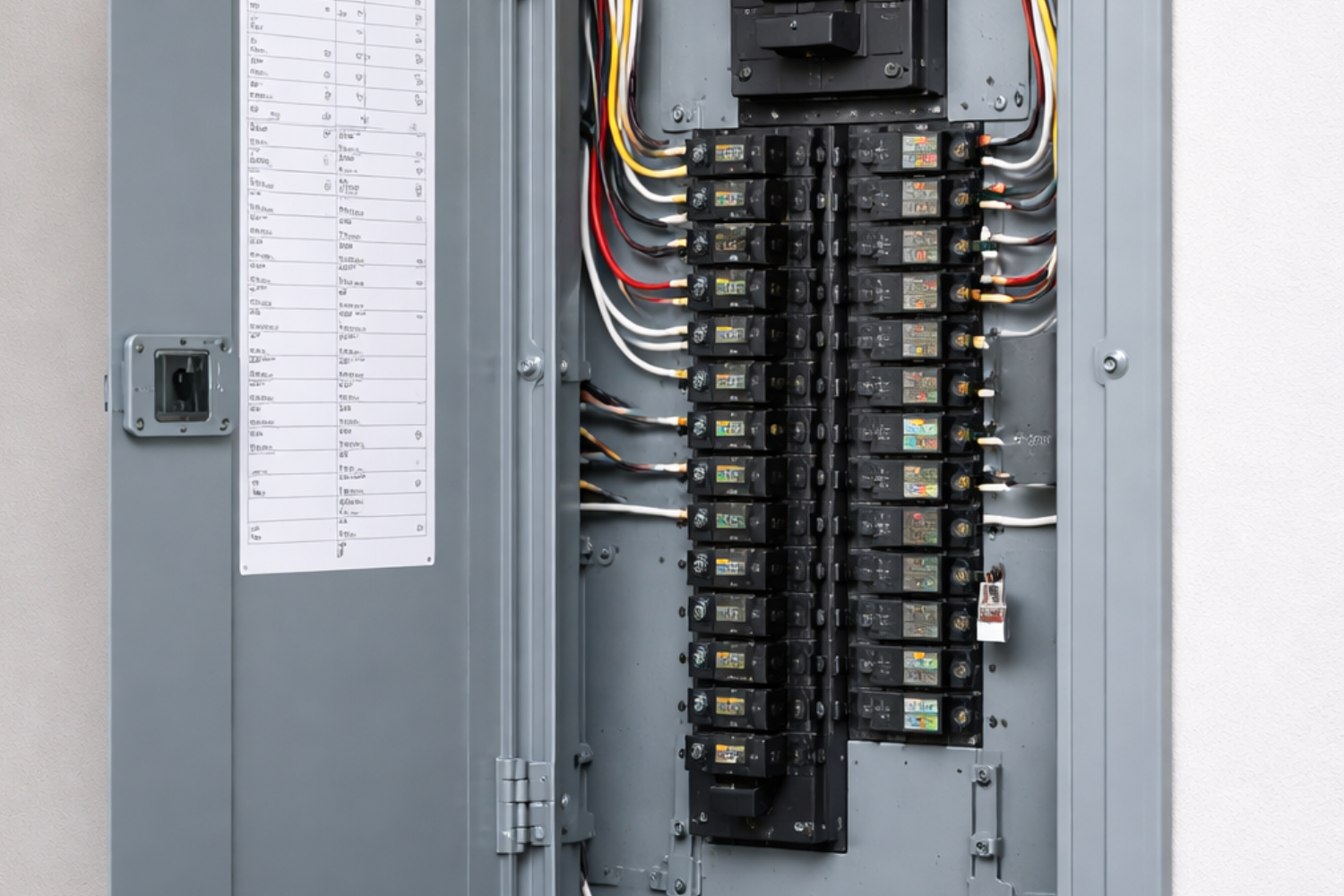
A whole-home surge protector is installed at your electrical panel. Its job is to redirect excess electricity safely into the ground before it can travel through your home’s circuits.
There are two common types:
- Type 1: installed between the utility connection and the main panel. Often used during new construction or major remodels.
- Type 2: installed directly inside the home’s electrical panel. Common for retrofit installations
This layer offers whole-home protection for outlets, appliances, devices, and expensive equipment.
For many Seattle homeowners, this is the foundation of surge protection.
Layer 2: Point-of-Use Protection
For sensitive electronics like entertainment systems and home offices, surge-protected power strips add another safeguard.
Pro Tip: For devices that should not shut off suddenly, such as computers or modems, consider a battery backup system to prevent data loss during outages.
Layer 3: A Surge-Ready Electrical System
If your breakers trip frequently, have overloaded circuits feel, or you are adding larger loads like EV charging, your panel may need evaluation.
Older homes in the Seattle area were not designed for today’s electrical demand. An updated panel can improve reliability and provide a safer foundation for surge protection.
Note: A licensed electrician should handle any work in or around the panel.
What to Do During Storms and After an Outage
During storms:
- If safe, unplug sensitive electronics like computers, routers, and TVs
- Use surge protection
- Wait until power stabilizes
After power is restored:
- Turn major equipment back on gradually
- Note: Call a professional if your breakers repeatedly trip, or equipment won't restart
Whole-Home Surge Protection Maintenance and Replacement Basics
Many units include LED indicator lights, so be sure to check those regularly. If the light turns red or off, the device may no longer provide protection.
Most systems last between 5-10 years, depending on surge activity the lifespan can be shorter. Plan to have your surge protection assessed periodically, especially after a major storm season.
When to Call a Professional
It's time to have your system evaluated if you notice:
- Repeat breaker trips
- Buzzing at the electrical panel
- Warm outlets
- A burning smell
- Flickering lights that are getting worse
These signs do not always mean a serious problem, but they should not be ignored.
Want to explore whole-home surge protection? Day & Nite's team of licensed electricians can install the right setup for your home.
Protect the Electrical Systems Your Home Depends On
Damage from power surges is not always a dramatic, one-time event. More often, it's subtle and it happens over time.
In Seattle weather, your home relies on electronic systems to ensure your comfort. Taking steps to protect your equipment will keep your home running as it should and prevent sudden expenses.
If you are interested in whole-home surge protection or want your electrical panel evaluated, Day & Nite can assess your system and recommend the right next step for your home. Get in touch with our team today.