Seattle Furnace Repair Vs Heat Pump Repair: What Fails the Most in the Fall
Fall in the greater Seattle area means shorter days, damp air, and your heating system waking up after summer. Your furnace and heat pump are the key players that make your home comfortable as the weather turns.
Proactively checking and maintaining your heating system now prevents surprises later.
Simple steps—cleaning filters, testing ignition, checking defrost controls—through a fall furnace tune up or heat pump maintenance service help keep your home warm when the first cold snap hits.
What you’ll learn in this guide:
- The most common furnace problems for Seattle homes in the fall (filters, ignition, blower, thermostat, power surges)
- The top heat pump issues during the fall transition (fan motors, refrigerant charge/leaks, defrost/ice, airflow).
- What fails most—and why: furnaces at start-up, heat pumps during transition.
- Simple steps you can take now, plus when to call for an annual furnace inspection or heat pump maintenance in Seattle.
Typical Furnace Failures in Fall
- Dirty or clogged filters. When filters load up, airflow drops. The furnace overheats and “short cycles” (turns on/off fast), wasting energy and stressing parts.
- Ignition/pilot or hot surface ignitor failure. If the ignitor is weak or the pilot system is dirty, the furnace won’t light, so your home will get no heat. You may hear the blower run with cool air or several failed start attempts.
- Cracked or failing heat exchanger. A damaged heat exchanger can let combustion gases—including carbon monoxide—mix with indoor air. If you suspect this, turn the system off and call a professional immediately.
- Blower motor or blower components. A failing blower can’t move warm air through the house. Watch for weak airflow, burnt smells, or new noises (banging, squealing, rattling). Continued use can cause overheating and shutdown.
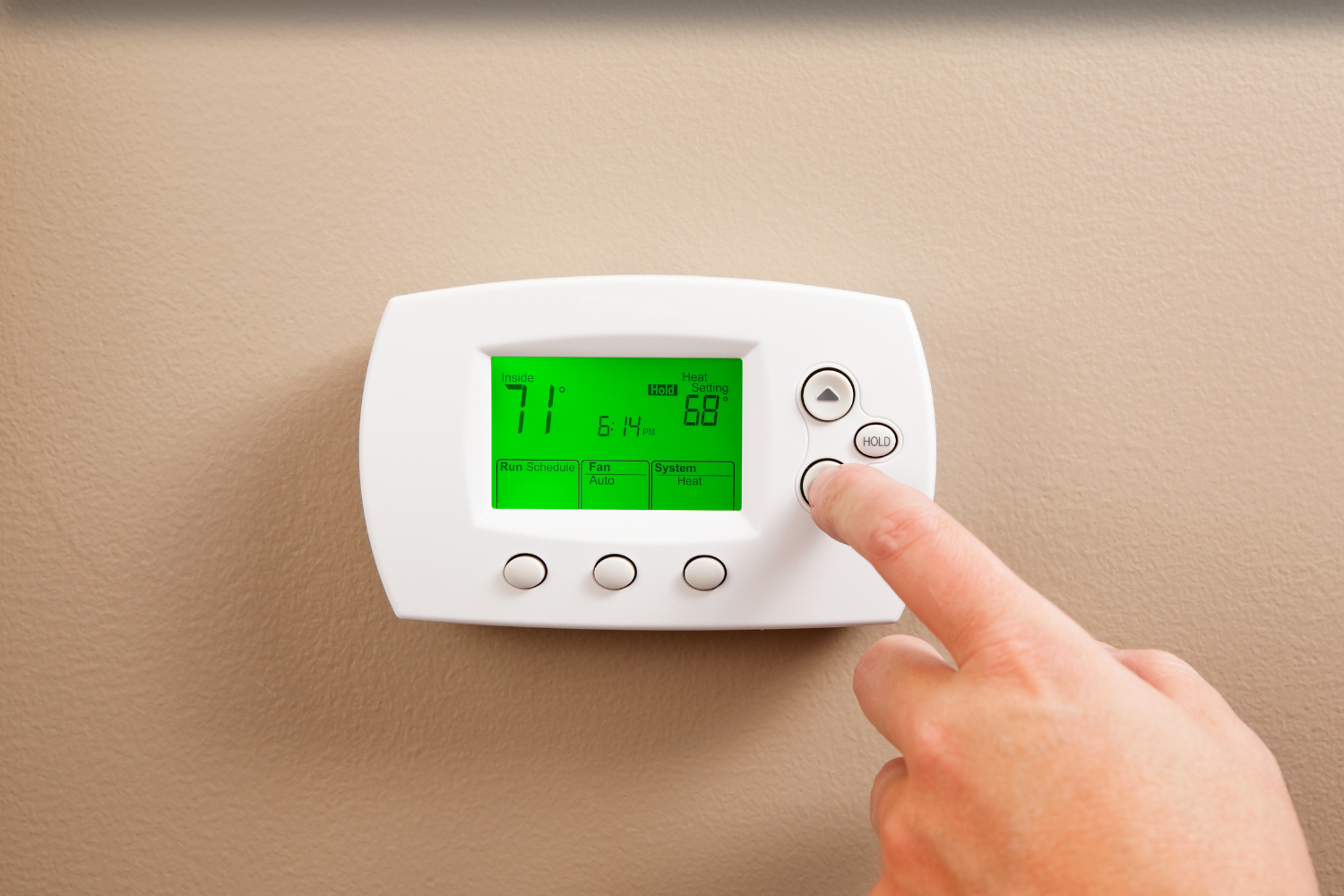
- Thermostat errors. Wrong settings, loose wiring, or weak batteries (for battery-powered models) can cause short cycling or prevent the furnace from turning on.
- Power surges. Fall storms and brief outages can trip breakers or damage control boards. If the furnace won’t start, first check the breaker and the furnace switch, then call for help if it trips again.
Quick tip: Most of these problems show up after months of sitting idle. A fall furnace tune up helps Seattle homeowners catch them before the cold sets in—think of it as your “start-up check” for furnace maintenance in Seattle.
Common Heat Pump Failures in the Fall
- Fan motor faults. A worn or failing fan motor is a top cause of heat pump trouble. If the fan won’t spin—or spins slowly—you’ll lose airflow and the system can’t move heat. You may hear humming, buzzing, or notice lukewarm air.
- Refrigerant leaks or incorrect charge. Low (undercharged) refrigerant makes the heat pump run longer, raises energy bills, and struggles to heat. Over time, a low charge can damage the compressor.
- Defrost system or ice buildup issues. On chilly, damp days, outdoor coils can frost up. If the defrost cycle doesn't clear that ice, it may build and block airflow.
- Airflow problems (filters/ducts). Dirty indoor filters, blocked return grilles, or leaky ducts reduce airflow. That drops efficiency and causes uneven room temperatures throughout your home.
What Fails the Most in the Fall
Furnaces: After sitting idle through our mild spring and summer, furnaces often fail on the first cold start. Dust, corrosion, and worn parts show up fast. The two most common culprits are:
- Dirty filters → low airflow, overheating, short cycling.
- Ignition issues (pilot/hot surface ignitor) → no flame, no heat.
Heat pumps: Heat pumps run most of the year, so they don’t “wake up” like furnaces. Instead, problems show when the system switches modes and defrost cycles matter more. The top trouble spots are:
- Defrost/control faults → ice buildup, blocking airflow
- Refrigerant charge/leaks → long run times, higher bills, poor heat
A heat pump maintenance check in the fall—verifying charge, sensors, and fan performance—keeps you comfortable all winter long.
Preventative Tips & Best Practices for the Fall
Inspect And Maintain Your Furnace
- Change the filter. A fresh filter restores airflow and reduces short cycling—easy win for fall furnace maintenance.
- Check the vents. Vacuum supply/return grilles and make sure furniture or rugs aren’t blocking airflow.
- Test the thermostat. Set to Heat and raise the temp a few degrees. If nothing happens, check batteries (if your thermostat uses them).
- Listen and smell. A light “dusty” smell on first start can be normal; loud banging, squealing, or a strong gas odor is not.
- If you smell gas: turn the system off, leave the home, and call 911.
- Book an annual furnace inspection. A professional will check ignition, safeties, blower amps, and heat exchanger—key parts that fail in fall during a fall furnace tune up.
- Have a backup plan. If you use a space heater or generator in an emergency, follow manufacturer rules, keep heaters clear of combustibles, and never run generators indoors.
Inspect and Maintain Your Heat Pump
- Clear the outdoor unit. Keep at least 18 inches around it—no leaves, weeds, or debris. In snow, clear drifts to maintain airflow.
- Replace indoor filters. Low-cost step that improves the efficiency of your unit.
- Inspect and clean coils. With power off, remove surface debris on the outdoor coil.
- Schedule a professional tune-up. A fall visit will verify your ductwork is free of leaks and damage, check your refrigerant charge, and inspect your fan motors, sensors, and the defrost cycle— all of these are key components to heat pumps and proper maintenance for Seattle homes.
Furnace & Heat Pump Maintenance in the Pacific Northwest—Before the First Cold Night
Bottom line: furnaces tend to fail at startup; heat pumps are more likely to struggle during the system transition into cooler, damp weather.
A simple pre-winter visit can catch dirty filters, weak ignitors, defrost issues, and low refrigerant before they turn into a real problem that leaves you out in the cold.
To get a head start on the winter season, schedule an annual furnace inspection or heat pump maintenance with Day & Nite today.