5 Tips on How to Keep your Lynnwood Home Cooler
Lynnwood summers used to feel fairly predictable: mild mornings, comfortable evenings, and maybe a few truly hot days each year.
But lately, summer heat in the Seattle area has become harder to ignore.
More frequent heat waves and longer stretches of uncomfortable indoor temperatures have many homeowners looking for better ways to stay cool.
The challenge? Many homes in the Pacific Northwest were not originally built with cooling in mind.
The good news is that keeping your home more comfortable does not always require one big upgrade. Some improvements are simple enough to handle yourself, while others are worth bringing in a professional for, especially if your AC, ductwork, ventilation, or water heater may be adding to the problem.
Here are five ways to help keep your Lynnwood home cooler this summer.
Tip 1: Schedule a Pre-Summer AC Tune-Up
One of the best ways to keep your Lynnwood home cooler is to make sure your AC system is ready before the first serious heat wave arrives.
A well-maintained air conditioner can cool more efficiently, use less energy, and put less strain on the system as it works. When parts are dirty, loose, clogged, low on refrigerant, or struggling with poor airflow, your AC has to work harder to do the same job.
That extra resistance can lead to higher energy use (and higher energy bills), weaker cooling, and a greater chance of a breakdown when you need the system most.
A professional AC tune-up gives your system a full pre-summer check. Depending on your equipment, this may include:
- Checking the thermostat
- Reviewing the air filter
- Inspecting electrical components
- Checking refrigerant levels
- Inspecting the outdoor condenser unit
- Reviewing the evaporator coil
- Checking the drain line and condensate pan
- Testing blower motor and fan operation
- Reviewing ductwork and airflow
- Running a full system performance test
This is especially important in Lynnwood homes where AC may only run heavily for part of the year. If the system has been sitting idle through the cooler months, a tune-up can help catch small issues before they become expensive problems.
Before summer temperatures climb, schedule an AC inspection with Day & Nite. Our team can check your system, identify anything affecting performance, and help make sure your home is ready for warmer weather.
Tip 2: Seal Leaks and Improve Ventilation
Gaps around window frames, door sweeps, and other poorly sealed areas can let cooled air escape while warm outdoor air slips inside. Weatherstripping and caulk are simple upgrades that can make a noticeable difference, especially in older homes.
Leaky ducts can be a bigger issue. If your ductwork has gaps, loose connections, or poor sealing, cooled air may leak into attics, crawl spaces, or other unconditioned areas before it reaches the rooms you actually use.
Attic ventilation also plays an important role in cooling your home. Roofing materials absorb heat during the day, which can make attic spaces extremely hot. Proper ventilation lets that heat escape, while insulation helps keep it from radiating into the living areas below. Together, they can help your home stay cooler and reduce strain on your AC system.
Tip 3: Use Fans Strategically
Fans are a simple way to make your home feel cooler, especially when you use them at the right time of day.
Ceiling fans do not actually lower the temperature in a room, but they do create a wind chill effect that helps you feel cooler. In summer, make sure your ceiling fan is set to spin counterclockwise to push air downward and create a cooling breeze.
You can also use box fans or portable fans to manage airflow throughout the day:
- Morning: Open windows early while the air is still cool. Place box fans in windows on the shaded or cooler side of the home to pull in fresh air.
- Afternoon: Close windows, blinds, and curtains to keep heat out. Use fans to circulate indoor air instead of pulling in hot outdoor air.
- Evening: Once outdoor temperatures drop, open the windows again and use fans to remove the warm air that built up inside during the day.
One important note: fans don’t cool rooms - they cool people. Turn them off when you leave the room so you’re not wasting energy for no real benefit.
If you have AC, fans can still help. Moving air can make you feel more comfortable at a slightly higher thermostat setting, which may reduce strain on your cooling system.
Tip 4: Upgrade to a Heat Pump for Year-Round Efficiency
If your current cooling setup is not keeping up, it may be time to consider a heat pump.
Heat pumps both heat and cool, which makes them a good fit for the climate in Lynnwood. In the summer, a heat pump works like an air conditioner by moving heat out of your home. In the colder months, it’s the opposite: it brings heat inside.
Because heat pumps move heat rather than generate it, they can be more energy efficient than many traditional heating and cooling systems. That efficiency can make a noticeable difference if you want comfort without running a traditional AC system.
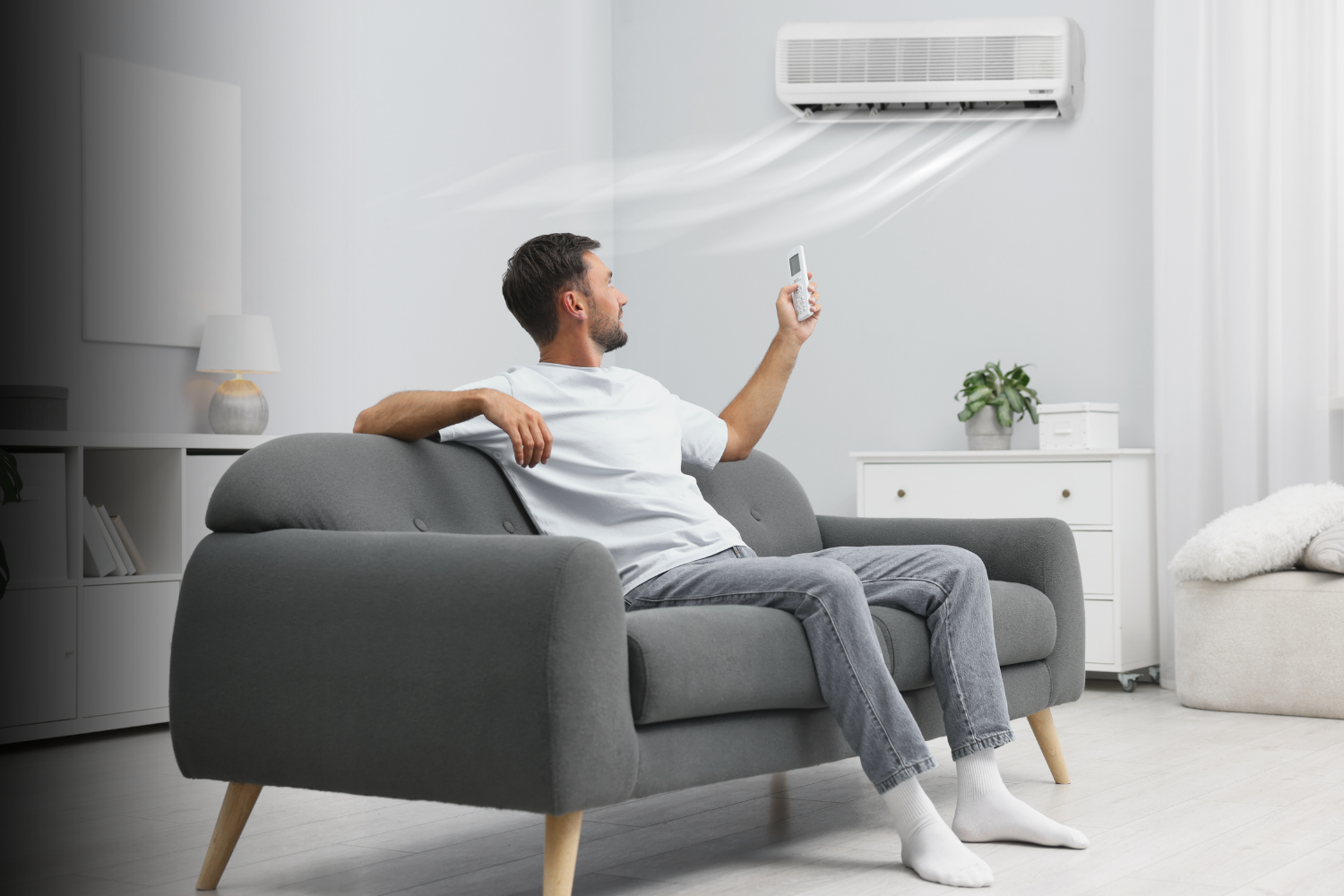
A ductless mini-split may also be worth considering, especially in older Lynnwood homes without existing ductwork. Instead of relying on a central thermostat to control the entire house, ductless systems provide cooling in specific rooms or zones.
That means you can cool the areas you use most, improve energy efficiency, and reduce hot and cold spots throughout the home. For homes without ductwork, mini-splits offer a less invasive path to better summer comfort.
Tip 5: Don’t Overlook How Appliances Affect Indoor Heat
Your AC is not the only thing affecting indoor comfort. The appliances you use every day add heat to your home, especially during the hottest parts of the day.
- Traditional tank water heaters: These systems create heat as they maintain hot water. Upgrading to a tankless water heater can reduce standby heat, while a heat pump water heater pulls heat from the surrounding air as it runs.
- Lighting: Incandescent bulbs use more energy and release much of it as heat. Switching to more efficient bulbs can help lower electricity use and reduce indoor warmth.
- Ovens: Using your stove or oven can make your kitchen, and nearby rooms, heat up quickly. On hot days, use smaller appliances when possible, cook earlier in the morning, meal prep, or grill outdoors to help keep your home more comfortable.
Keep Your Lynnwood Home Cooler This Summer
Keeping your home cooler starts with a few smart steps:
- Schedule a pre-summer AC tune-up
- Seal leaks around windows, doors, and ductwork
- Improve attic ventilation and insulation
- Use fans strategically throughout the day
- Reduce extra heat from appliances, lighting, and cooking
If your home still struggles during summer heat, Day & Nite can help. As a local Seattle-area HVAC team, we understand the cooling challenges Lynnwood homeowners face and can recommend the right solution, from AC service to ductless mini-splits or heat pump upgrades.
Contact Day & Nite today to schedule cooling service and get your home ready for summer.