
Dishwasher Not Draining? What to Check Before Holiday Hosting Season
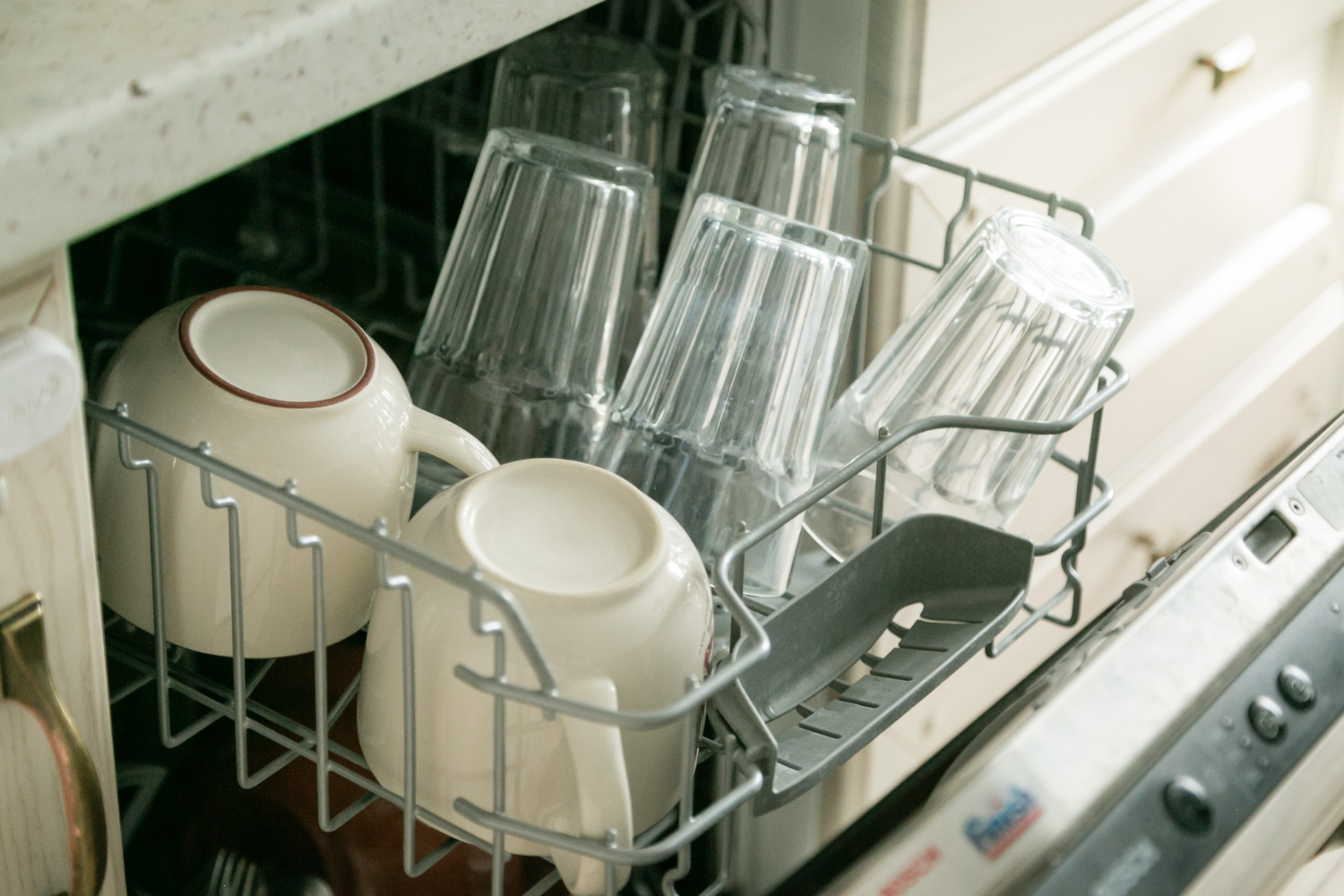
Few things slow down holiday meal cleanup like opening the dishwasher and seeing a pool of cloudy water at the bottom.
With the holidays around the corner (and a small mountain of dishes to go with it), it's a potential problem worth sorting out beforehand.
The good news is that a dishwasher not draining is usually caused by a simple clog you can handle yourself in a few minutes.
In some cases, though, standing water points to something in your plumbing that's better left to a professional.
Below, we'll walk through the most common reasons a dishwasher won't drain, the steps you can try at home, and the signs that it's time to call a plumber.
Why Is Your Dishwasher Not Draining?
In most cases, a dishwasher that won't drain has a blockage somewhere along the path water takes out of the machine.
At the end of each cycle, a small pump pushes dirty water from the bottom of the tub through a flexible drain hose and into your kitchen drain line. On the way, the water often passes through the garbage disposal. A clog at any of these points can leave water sitting in the tub:
- The filter, which catches food scraps and grease
- The drain hose, which can kink or collect debris
- The disposal connection, which backs up when the disposal is full
- The drain pump, which can jam or wear out over time
Everyday habits play a part, too. Overloaded racks keep water from rinsing food away, and the wrong detergent (or too much of it) can leave residue that builds up with every load.
What to Check Yourself, Step by Step
Before you call for service, a few quick checks might get things moving again. Start with the simplest and work your way down. If you need to reach under the sink or behind the unit, switch the dishwasher off at the breaker first.
- Clean the filter. Remove the bottom rack and find the filter at the base of the tub. Most twist or lift out. Rinse away food debris and grease under warm running water, then set it back in place.
- Check the drain hose. Look under the sink for kinks or sharp bends in the hose. This happens more often than you'd think, especially if the dishwasher was recently moved or something under the sink got shifted during a kitchen update.
- Clear the air gap (if you have one). An air gap is a small cylinder near the faucet that keeps dirty water from flowing back into the dishwasher. Pop off the cap and clear out any debris you find.
- Run the garbage disposal. Many dishwashers drain through the disposal, so a full disposal can back up the dishwasher, too. If your disposal was installed recently, make sure the knockout plug (a small plastic disc inside the dishwasher inlet) was removed during installation.
- Try forcing a drain cycle. Sometimes a cycle simply gets interrupted. Many models let you restart draining by pressing and holding the Cancel/Drain button. Check your manual for the exact steps.
Signs It's More Than a Simple Clog
If you've worked through the steps above and water is still sitting in the tub, make note of what else is happening in your kitchen. These signs suggest the problem goes beyond the dishwasher itself:
- When the dishwasher runs, water backs up into your sink
- After you've cleared the filter and hose, standing water returns right away
- You hear gurgling from the sink or disposal during the wash cycle
These usually point to a clogged kitchen drain line, a failing drain pump, or a problem with the check valve (a small part that keeps drained water from flowing back into the tub). Drain line clogs are especially common in older Seattle-area homes, where the pipes have had decades to collect buildup.
At this stage, a plumber's diagnosis will usually save you time over repeated DIY attempts.
Why This Is Worth Fixing Before the Holidays, Not After
A dishwasher that won’t drain is sometimes a sign of a wider plumbing issue, and those issues tend to pop up during the holidays when you need everything to run smoothly.
On a normal weeknight, that’s a minor inconvenience .
During big family meals, you need your dishwasher to handle the extra volume. What you don’t need is an unexpected plumbing problem when you’re hosting.
Addressing it now gives you time to schedule service at your convenience, rather than scrambling for help with a house full of guests.
When to Call Day & Nite
DIY checks can solve a lot of dishwasher drainage problems, but not all of them. It's a good time to bring in a professional if:
- You've cleaned the filter, checked the hose, and run the disposal, and the dishwasher still isn't draining
- The problem seems tied to your kitchen drain line rather than the dishwasher itself
Our plumbers help homeowners across the greater Seattle area track down the source of drainage issues and recommend the right fix. If your dishwasher has been giving you trouble, consider scheduling service before the holiday rush, so everything is working well before the busy season begins.
Your Pre-Holiday Dishwasher Checklist
To help prevent any problems or interruptions with your dishwasher before guests arrive, take a few minutes to:
- Clean the filter
- Check the drain hose for kinks
- Clear the air gap, if you have one
- Run the garbage disposal
- Try a forced drain cycle
If water still won't drain, or you notice backups or gurgling at the sink, it's time for a professional look. Reach out to Day & Nite at (425) 224-6452 or request a service visit online.
Our team can find the cause and get your kitchen ready well before the holidays, so you can focus on your guests instead of your dishwasher.