Heat Pump Installation in Seattle: Why Fall Is the Best Time to Upgrade
Most Seattle homeowners start thinking about their heating system during the first cold, rainy week of the season. That’s also when no-heat calls pick up and installation calendars start to fill. If you’ve been considering heat pump installation in Seattle, planning ahead can make the whole process smoother.
These days, heat pumps are more and more common, making up 81% of Seattle’s home heating upgrades and new installations in 2024, according to the City of Seattle.
Below, we’ll cover why fall is the ideal time to install, what the process looks like, and how to size a heat pump for a Pacific Northwest home. Day & Nite installs heat pumps from Seattle north through Lynnwood, Everett and Mukilteo.
Why Heat Pumps Make Sense for Seattle Homes
Seattle’s climate is a natural match for a heat pump. Our winters are long and damp rather than bitterly cold, and standard air-source heat pumps perform well anywhere that doesn’t see extended stretches of below-freezing weather. Technology on heat pumps have also improved efficiency so well, that a properly sized heat pump system can also provide your home with heat even well below freezing temperatures.
A heat pump also does double duty. The same system that keeps your home warm through the heating season can cool it during a summer heat wave, or on smoky days when the windows need to stay shut. Every heat pump is equipped to provide Air Conditioning.
Then there’s efficiency. Rather than creating heat the way baseboards and electric furnaces do, a heat pump moves heat from the outdoor air into your home. According to the U.S. Department of Energy, that can cut the electricity used for heating by up to 50% compared to furnaces and baseboard heaters. Here’s a closer look at how inefficient electric baseboards can be.
Not only can you heat your home for less, but you can also stay comfortable all year round with affordable efficient heat and air conditioning.
Why Fall Is the Best Time for Heat Pump Installation in Seattle
- Comfortable days. Your heating is usually off for part or all of the installation. On a mild October day, that might be a minor inconvenience. During a January cold snap, that can mean a very cold house.
- Easier scheduling. Our technicians see no-heat calls climb as soon as the first cold weather arrives, and emergency calls keep rising from November on. Booking earlier makes it easier to get a date that works for you.
- Time is on your side. Replacing a system before it fails leaves room for a proper load calculation, a look at ducted and ductless options, and a review of financing.
- Fine-tuning before winter. Thermostat and backup heat settings can be tested and adjusted while temperatures are still moderate.
- Your system’s getting older. ENERGY STAR suggests considering replacement once a heat pump or AC passes 10 years old, or a furnace or boiler passes 15.
- Keep Costs Down. Manufacturers tend to look at price increases within the first quarter of the year. Getting your system early avoids such potential increases while upgrading to today’s efficiency standards to save on energy during the coldest parts of the heating season.
Check Your Utility's Rebates Before You Buy
Heat pump rebates aren’t tied to the season. They depend on which utility supplies your electricity and eligibility of the home and equipment. You can check with your local utility or you can ask during our free assessment to match equipment to our home.
Eligibility rules vary, so ask your in home advisor during the free assessment for a heat pump to confirm what you qualify for. You can also review Day & Nite’s current rebates and financing options.
What the Heat Pump Installation Process Involves
- Home assessment. A technician looks at your current equipment, ductwork, electrical panel, insulation and any rooms that are hard to keep comfortable.
- Choosing the system. Based on that visit, we recommend a ducted, ductless or hybrid setup (a heat pump paired with your existing furnace).
- Permits. Many municipalities, including Seattle, requires a mechanical permit for new HVAC equipment, and some electrical or refrigeration work needs its own. Your contractor typically handles this.
- Installation. The crew removes the old equipment, sets the outdoor unit, runs refrigerant lines, installs the indoor units and completes the wiring. Then they test the system for leaks. The number one thing that will determine Day & Nite can typically complete most installations in one day.
- Final checks and walkthrough. We confirm airflow and refrigerant levels, set your thermostat and backup heat, show you how to care for the system, and discuss our maintenance protection options.
Even though quality equipment is important, the greatest factor affecting the lifespan, cost of ownership, and efficiency is the quality of installation. Second to best installation practices is regular annual maintenance.
How to Size a Heat Pump for a Pacific Northwest Home
The right size isn’t based on square footage or your old unit. It comes from a load calculation (often called a Manual J) that accounts for several items:
- What’s there now: insulation, air leaks, windows, ceiling height and how your home was built. Existing ductwork should be checked, too, since ducted systems need good airflow.
- What’s coming next: any planned upgrades, like new windows, insulation or air sealing, which can reduce the size you need.
Getting the size right is a must. An oversized system cycles on and off too often, leaves rooms uneven, removes less moisture, causes additional wear, and can lose up to 25% of its efficiency. An undersized system leans on electric backup heat, which is inefficient and costly to run.
Below a certain outdoor temperature, backup heat helps. A good installer checks what the unit actually delivers on Seattle’s coldest days, not its label rating. Our cold snaps are rare but they happen, and the more efficient models tend to handle them better.
Ducted or Ductless: Matching the system to Your Home
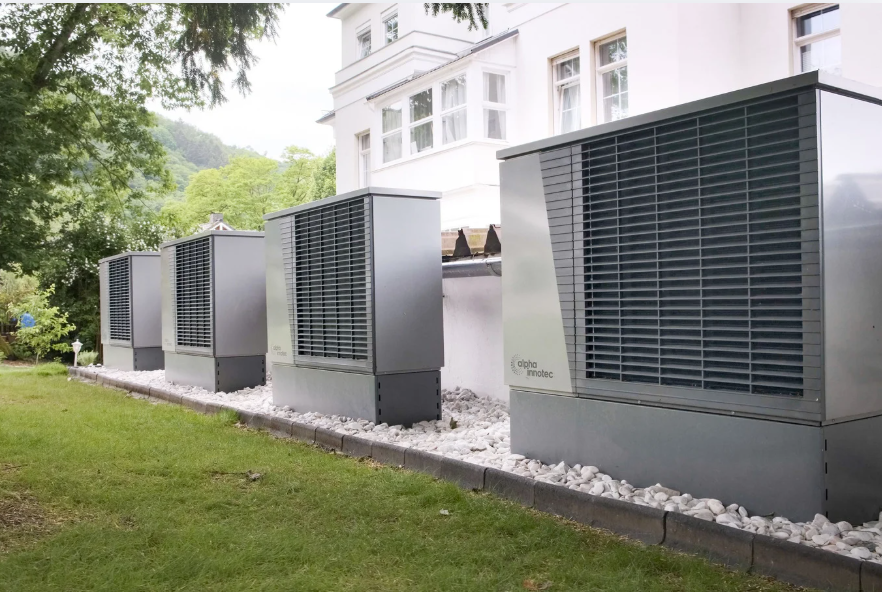
Ducted heat pumps work best in homes that already have forced-air ductwork in good shape. They can replace a furnace and AC outright, or work alongside an existing furnace.
Ductless mini-splits are a good fit for homes heated by baseboards or wall heaters, older homes without ducts, additions, and rooms that never seem to stay comfortable.
Day & Nite installs both types of heat pump in Seattle-area homes, and the right choice for yours comes out of the in-home assessment. Learn more about our ductless mini-split services.
Signs It's Time to Upgrade This Fall
If any of these sound familiar, fall is a good time to explore your options:
- Your heat pump or AC is more than 10 years old, or your furnace is past 15
- Your energy bills keep climbing, or repair visits are becoming routine
- Some rooms run warm while others stay chilly
- You’re still heating with electric baseboards, wall heaters or oil
- You have no cooling for summer heat waves or smoky days
None of these means your system is about to quit. They’re simply good reasons to have a professional take a look before winter.
Why Work with a Local Heat Pump Installer
Day & Nite has served the Seattle area since 1954. Over the decades, our team has worked in nearly every kind of home the region has to offer, from drafty older houses with no ductwork to recent remodels. Our technicians have the wide experience of providing maintenance and repair on nearly all brands. Being locally owned and operated we are familiar with the Seattle region. We know how our damp winters and mild summers affect the way a system runs, and we install both ducted and ductless heat pumps. Our service area runs from Seattle and Bellevue north through Lynnwood, Everett and Mukilteo.
Take the next Step Toward Better Home Comfort
Fall gives you the best conditions for a heat pump upgrade. Install days are mild, scheduling is easier before winter demand picks up, and there’s time to size the system properly.
Once it’s in, a heat pump keeps your home comfortable year-round, from damp winters and long shoulder seasons to summer heat.
Whether you’re in Seattle or looking into local heat pump installation, our team is here to help. Explore our heat pump services, ductless mini-split services, service areas and rebates and financing options.
When you’re ready, schedule a free in-home estimate. We’ll take a close look at your home to size and recommend the system that fits it best.