Home AC Not Cooling? 3 Key Things to Check Before You Call
It's a hot afternoon, your AC is running, and your home still doesn't feel cool. It's a frustrating situation, and one that's becoming more common as Seattle-area summers trend warmer.
Many homes in our region weren't originally built with heavy or extended air conditioning use in mind. As heat waves become more frequent and warm stretches last longer, it puts extra strain on cooling systems that weren't designed for it - something we've touched on in our tips for keeping your Lynnwood home cooler.
The good news: an AC that isn't cooling well doesn't always mean a major repair.
Before you call a technician, it's worth checking your thermostat settings, your air filter, and your outdoor condenser unit - three simple checks that can often solve the problem or at least help you (and your technician) pinpoint what's going on.
Check Your Thermostat Settings
Before assuming the worst, start with the simplest possible fix: the thermostat itself.
- Confirm it's set to "Cool," not "Fan" or "Auto." It sounds obvious, but a wrong mode is one of the most common reasons an AC seems unresponsive.
- Check that the set temperature is lower than the current indoor temperature. If the thermostat is set higher than the room, the system has no reason to run.
- Look for power issues. Battery-powered thermostats may show a blank, dim, or flashing screen, or a low-battery warning. Wired and smart thermostats should be checked for error messages, a lost Wi-Fi connection, or an offline status.
- Review your schedule if you have a smart thermostat. Time-of-day settings, away modes, vacation modes, and energy-saving programs can shift your temperature without you realizing it. Try setting it to a consistent cooling temperature for a bit to see if that resolves the issue.
This is a quick check that takes just a few minutes and requires no tools - and it solves the problem more often than homeowners expect.
Check Your Air Filter
A clogged air filter is one of the most common (and most overlooked) reasons a home AC struggles to keep up. When airflow is restricted, the system has to work harder without actually cooling more effectively.
A dirty filter can contribute to:
- Weak airflow from the vents
- Longer cooling cycles
- Uneven temperatures from room to room
- Increased strain on the blower
- Reduced overall cooling performance
How to inspect your filter:
- Turn off the system before removing the filter.
- Locate the filter and remove it carefully.
- Look for a heavy layer of dust or debris, gray or dark discoloration, visible pet hair, or any sagging or damage.
- Tip: Hold the filter up to a light. If very little light passes through, it's likely time for a replacement.
Filters are inexpensive and easy to check regularly. A small habit that can make a real difference in how well your system performs, especially during Seattle's warmer stretches. If staying on top of maintenance feels like one more thing to remember, our maintenance protection plans can help take it off your plate with regular seasonal check-ups.
Check the Outdoor Unit (Condenser)
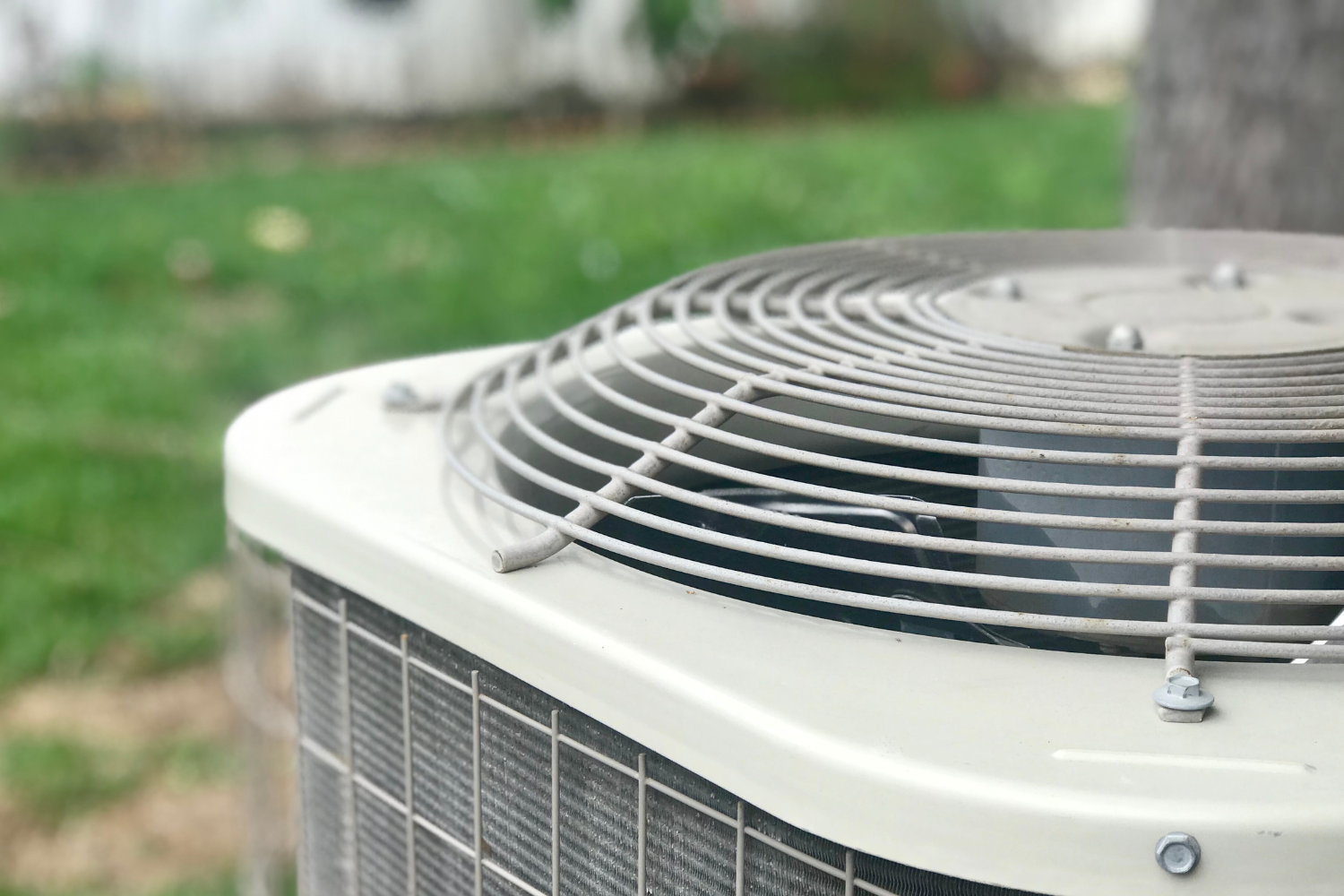
The outdoor condenser's job is to release the heat your AC system pulls out of your home - and it needs good airflow to do that efficiently. If it's blocked or crowded, your system loses efficiency fast.
Do a quick visual inspection for:
- Leaves or yard debris
- Tall grass or weeds around the base
- Shrubs or landscaping growing too close to the unit
- Cottonwood, pollen, or dirt coating the exterior fins
- Visible damage to the unit itself
- Ice buildup on the line near the indoor air handler
What you can safely do yourself:
- Clear away leaves, debris, and buildup
- Trim back vegetation so there's at least two feet of clearance around the unit
Where to draw the line: once the area is clear and you've ruled out any obvious obstruction, that's the stopping point. If your system still isn't cooling properly, internal condenser work (like refrigerant, electrical components, or the compressor) should always be left to a trained technician.
When It's Time to Call a Professional
If you've gone through these checks and your AC still isn't cooling the way it should, it's a good sign the issue goes beyond a simple fix. Signs it's time to call in help include:
- Ice forming on the lines
- Strange noises coming from the system
- Warm air blowing from the vents
- Water leaking near the indoor unit
- The system not turning on at all, even after the checks above
Issues involving refrigerant, electrical components, or the compressor should always be handled by a licensed technician. This is both for your safety and to protect your system's warranty.
Day & Nite offers 24/7 emergency service, and our NATE-certified technicians have the training to diagnose and repair these issues correctly.
Do It Right - Call Day & Nite
A little troubleshooting can go a long way, but some AC issues call for a trained eye. If your system is still struggling after these checks, our team is here to help you get to the bottom of it the right way, the first time.
Day & Nite offers free estimates and free second opinions on cooling services, so you can get clarity on what's going on without added pressure. Visit our Air Conditioning Services page to learn more - or if your home cools with a heat pump, our Heat Pump Cooling Services page has more specifics. You can reach our team directly by calling (425) 224-6452, or request a service visit.